

Repainting the exterior of your home is about more than just curb appeal—it’s a key part of maintaining your home’s structural integrity and protecting it from environmental wear and tear. However, many homeowners struggle to determine the right time to repaint, especially since exterior paint typically lasts anywhere from 7 to 10 years depending on factors like climate, surface material, and the quality of previous paintwork.
You may not know some of the less obvious signs that it’s time to repaint your home. We hope this helps you understand why each issue occurs and how to prevent future damage to your home’s exterior.
1. Fading Paint: Not Just Cosmetic
While fading paint is often considered an issue of curb appeal, it can also be a sign of deeper problems. UV rays from the sun break down the chemical bonds in the paint, causing the pigments to lose their vibrancy. In Nebraska, where summers can be quite intense, south-facing and west-facing walls tend to fade the fastest due to prolonged sun exposure.
Fading can also indicate that the paint’s protective properties are breaking down, leaving the substrate—whether wood, stucco, or siding—more vulnerable to moisture infiltration and eventual deterioration. Darker colors, in particular, tend to absorb more heat, which can cause the paint to degrade faster. If you’re noticing uneven fading or dull patches, it might be time for a professional repaint to ensure your home is still properly shielded from the elements.
2. Peeling and Cracking Paint: The Early Warning Signs of Structural Damage
Peeling, cracking, or bubbling paint is one of the most obvious signs that your home’s exterior needs attention, but understanding the why is important. These issues are often a result of moisture becoming trapped under the paint, which could come from rain, humidity, or water vapor escaping from inside the house.
The breakdown typically starts small. For instance, hairline cracks in the paint can occur from natural expansion and contraction of the substrate due to temperature changes. If left unattended, these small cracks widen, allowing moisture to seep into the wood or other materials underneath. Over time, this moisture causes the paint to peel and bubble, which is often a precursor to more significant structural issues like wood rot or mold growth.
Before repainting, the first stop is to address the underlying moisture problem. This often requires proper caulking, repairing any damaged areas, and ensuring your home has sufficient ventilation to reduce moisture buildup. A professional painting contractor will take the necessary steps to fix these underlying issues before applying new paint, ensuring the longevity of the new finish.
3. Chalking: A Less Obvious but Important Issue
Chalking refers to a powdery residue that can form on the surface of exterior paint over time. This occurs when the paint’s binder (the component that holds the pigment and additives together) starts to break down due to exposure to the elements, especially UV rays and rain. While chalking might seem harmless, it can lead to significant problems if left unchecked.
Chalking often causes paint to erode prematurely, thinning the protective layer and exposing the substrate beneath. This is particularly concerning in climates where heavy rain or snow can further erode the surface, leading to potential water damage.
To test for chalking, simply rub your hand along the surface of your home’s exterior. If a fine, white powder transfers onto your skin, it’s time to repaint. However, before applying a new coat, a thorough cleaning to remove the chalky residue is required to ensure the new paint adheres properly.
4. Cracked or Missing Caulk: Your Home’s Sealing System is Failing
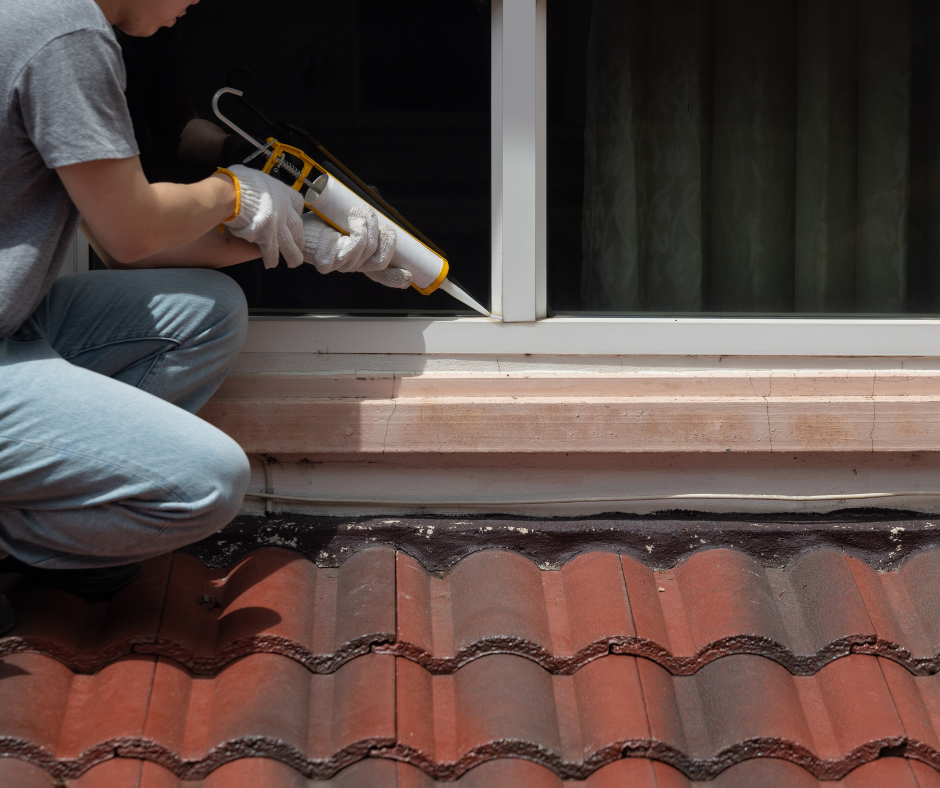
Caulking serves as a flexible sealant between joints, such as around windows, doors, and siding. It’s designed to keep water and drafts out while allowing the structure of the home to expand and contract with temperature changes. Over time, even high-quality caulking will lose its elasticity, leading to cracks, gaps, or shrinkage.
When caulking fails, water can seep into the joints, which often leads to wood rot, mold, or structural damage. Inspect the caulking around your home regularly. If you notice any gaps, missing sections, or hardened caulk that’s no longer flexible, it’s time for a replacement—and possibly a full exterior repaint.
Proper caulking is an important part of the repainting process. A skilled painting contractor will remove old, deteriorated caulk and apply new, high-performance caulking to seal out moisture before applying paint. This step ensures that the new paint job will last for years and continue to protect your home from water infiltration.
5. Visible Rot or Mold: A Serious Red Flag
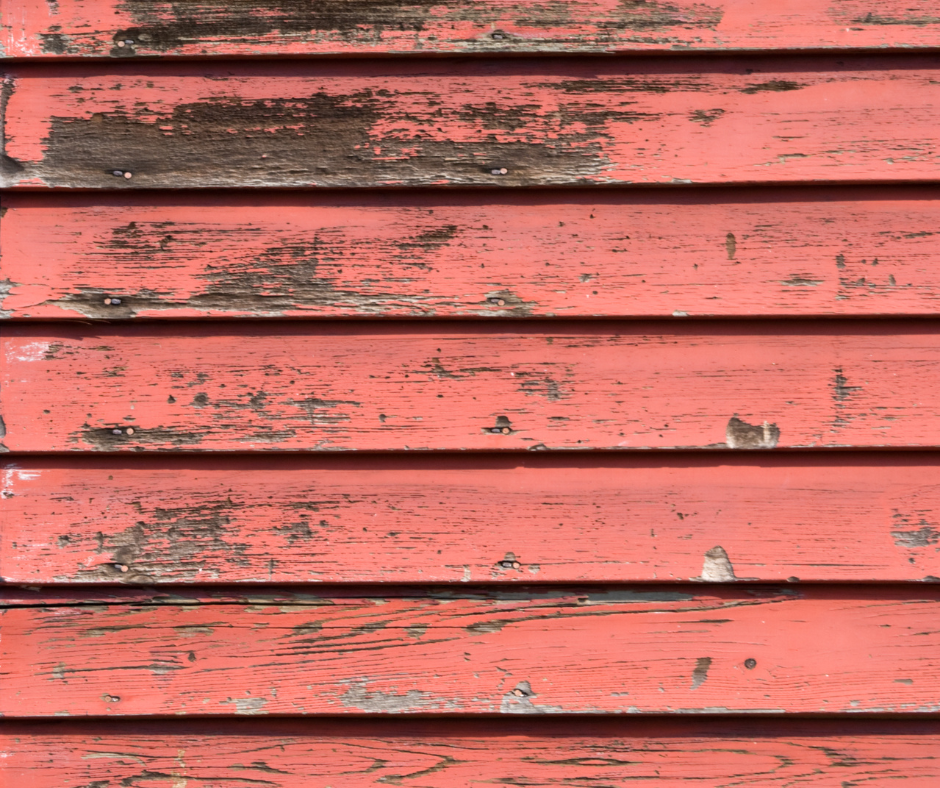
Mold, mildew, or rot on your home’s exterior indicates that moisture is not just an inconvenience—it’s actively damaging your structure. Mold thrives in moist environments, particularly in shaded areas or regions where rainwater is not properly diverted by gutters or siding.
Wood rot, on the other hand, can occur when wood remains damp for extended periods. Left unchecked, rot can spread through trim, siding, or fascia, weakening the structure. If you notice dark patches, spongy wood, or mold growth, you need to take action right away.
A professional painter will identify any areas that need to be repaired before painting. This might involve replacing rotted wood or treating mold-affected areas to prevent regrowth. Painting over these issues without addressing them first will only mask the problem temporarily, so thorough preparation is key.
6. Surface Cracks in Stucco or Masonry: More Than Just Cosmetic
For homes with stucco or masonry exteriors, surface cracks are a common concern, especially in regions with significant temperature fluctuations like Nebraska. These cracks can develop due to the natural movement of the home or environmental stressors. While small cracks may seem like a minor issue, they can allow moisture to penetrate, which can lead to more extensive damage over time.
In masonry homes, hairline cracks often precede more substantial deterioration like spalling, where moisture causes the outer layers of brick or stone to flake off. Stucco can develop larger cracks that also invite moisture into the walls.
Proper repainting of these surfaces requires addressing the underlying cracks first, usually through patching and sealing. Applying paint over unsealed cracks won’t provide lasting protection, so a professional painter will always repair and prep these surfaces before repainting.
The Age of Paint Matters Too
Even if your home looks well-kept, the age of the paint job alone can be a key factor in determining whether it’s time to repaint. For most homes, a quality paint job should last between 7 to 10 years, but factors like weather, surface material, and the quality of previous work can influence that timeline. In Nebraska, where we experience extreme temperature swings, intense sunlight, and moisture fluctuations, certain materials may need more frequent repainting, while others can hold up longer under proper maintenance. Here’s a breakdown based on exterior material types:
- Wood Siding: Typically needs repainting every 5 to 7 years due to its vulnerability to moisture and expansion from temperature changes. High-touch prep work, including sanding, caulking, and using high-quality primers, can extend this to 7–10 years. However, if not properly maintained, Nebraska’s cold winters and hot summers can cause cracking, leading to a shorter repainting cycle.
- Stucco: Stucco can last 5 to 7 years before needing a repaint. Stucco is a porous material, and while it generally performs well in dry environments, moisture and freezing conditions can cause cracks and deterioration. In Nebraska, it’s important to inspect and repair stucco regularly, especially before repainting, to avoid moisture penetration and subsequent damage.
- Cement Fiberboard: This durable material can last 10 to 15 years with proper care. Cement fiberboard is resistant to rot and insect damage, and when combined with meticulous prep and high-quality paint, it performs well even in Nebraska’s harsh climate. Regular maintenance, such as cleaning and inspection, can help it reach the upper end of this range.
Painting Considerations for Nebraska Weather
Nebraska’s weather is tough on exterior surfaces. Temperature fluctuations from freezing winters to hot, humid summers can cause wood and other materials to expand and contract, stressing the paint and underlying surfaces. In addition, hail, strong winds, and moisture can accelerate wear, especially on improperly prepped surfaces.
Our painting services in Nebraska including detailed surface preparation, moisture management, and premium paint products, allow your home’s exterior to withstand these challenges better. While these timelines are typical for the region, our thorough process can help extend the life of your paint job, sometimes even beyond the average lifespans mentioned here.
Factors like exposure to sunlight, extreme weather, and the quality of the previous paint job also influence this timeline. If it’s been more than a decade since your home’s last exterior paint job, consider scheduling an inspection to assess the current condition.
The Difference Prep Work Can Make
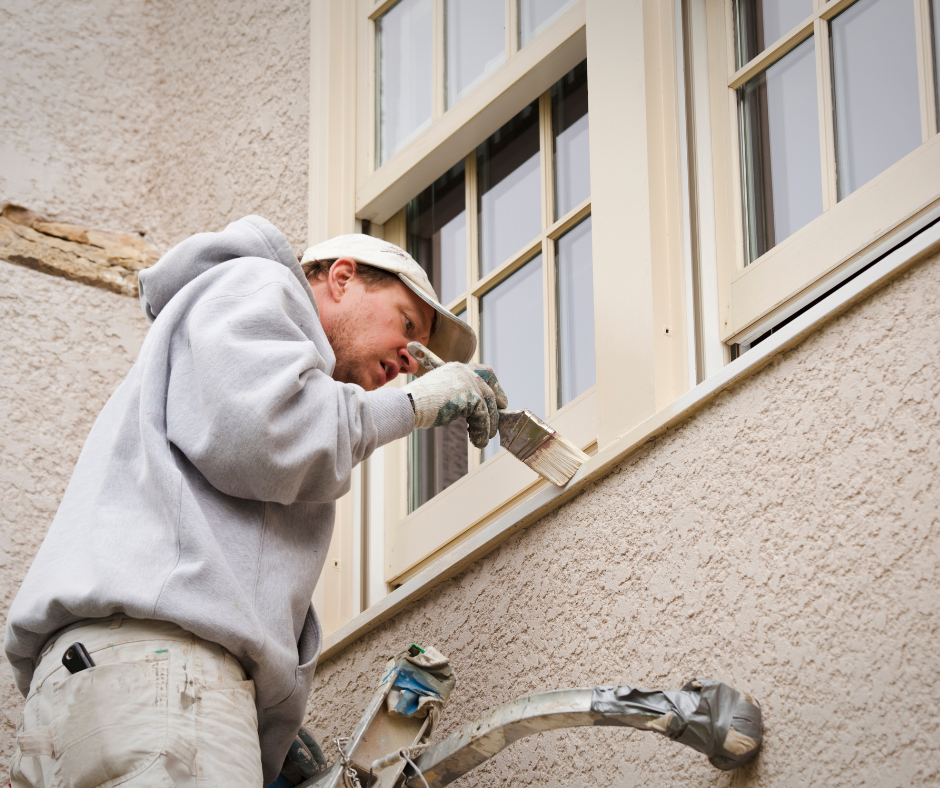
No matter the condition of your home’s exterior, proper prep work is the foundation of a long-lasting paint job. At Columbus Painting Company, our process involves a thorough inspection, cleaning, surface repair, and priming before any paint is applied. By investing time in these preparatory steps, we ensure that the new paint adheres well and can stand up to Nebraska’s challenging climate for years to come.
Repainting your home’s exterior is a significant investment, but it’s one that pays off by protecting your home and enhancing its appearance. If you’re noticing any of the signs mentioned above, it’s time to consult with professionals. At Columbus Painting Company, we take pride in our 40 years of expertise, attention to detail, and high-quality craftsmanship, ensuring that your home remains beautiful and well-protected for years to come.
By understanding these often overlooked issues, you can stay proactive about maintaining your home’s exterior and prevent small problems from turning into major repairs. Contact us today for your free consultation!